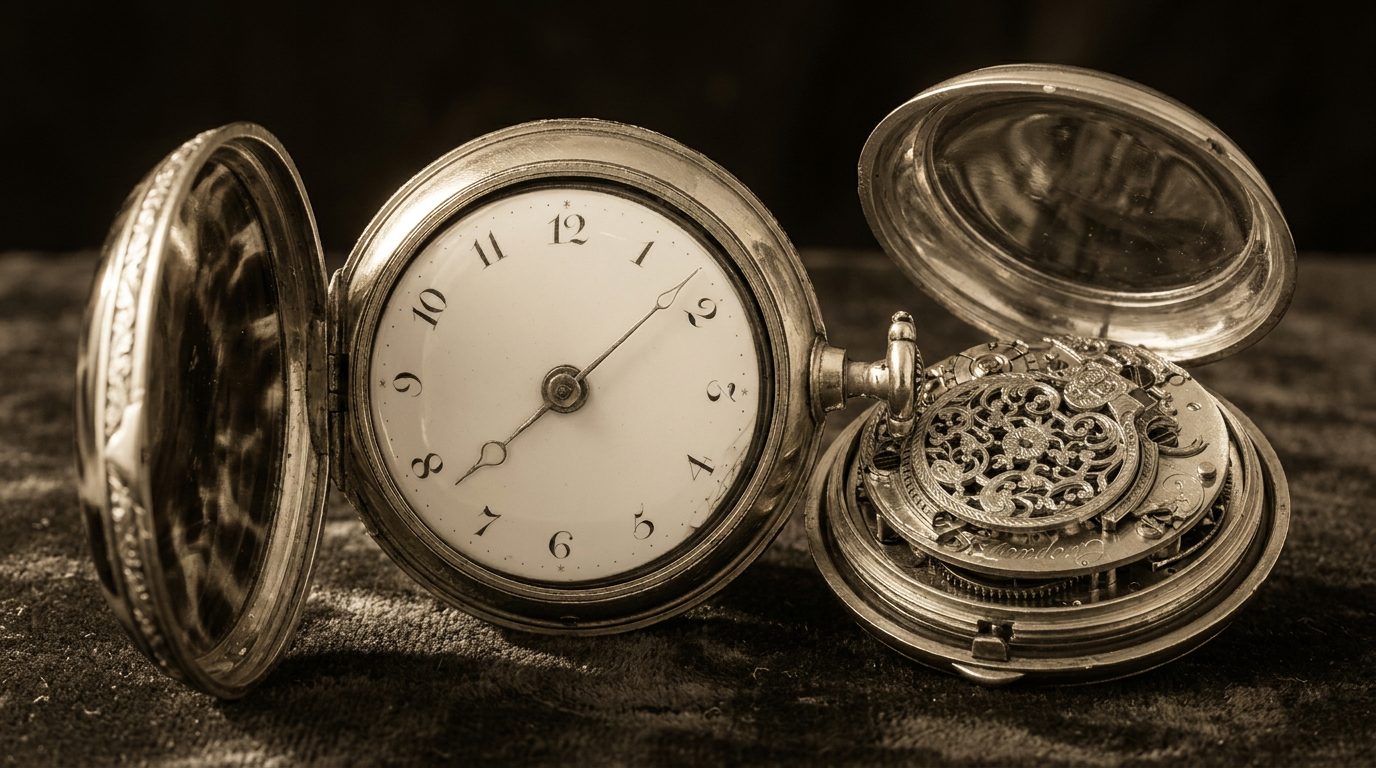
Hall-marked silver cases · regulated output of the London Assay Office, 1760s.
Smuggled Swiss forgeries
40,000/yr
Unhallmarked Jura cases entering British coastal smuggling routes.
Forgery share of legitimate output
50%
The ratio that produced the collapse of London's handcraft watchmaking trade.
Long before the Super-Clone Singularity, before XRF spectrometry and acoustic fingerprinting, the same triangular trade — Swiss établissage production, Dutch merchant capital, British smuggling distribution — assembled the first industrial-scale forgery network in horological history. The story of how that network built the modern Swiss industry is a story about strategic imitation as industrial policy.
01
Early Seeds · Religious Reform & Migration
Geneva in the wake of Calvin. The Huguenot diaspora. How 17th-century religious upheaval planted the first specialised watchmaking clusters in the Jura and Neuchâtel.
The foundations were laid in the religious and political upheavals of the 16th and 17th centuries. Protestant reformers — particularly John Calvin in Geneva — discouraged ostentatious displays, redirecting skilled artisans toward the production of precise scientific instruments and timepieces. The influx of Huguenot refugees from France brought advanced skills in enameling, gilding, and miniature mechanics. These migrations established concentrated watchmaking clusters in Geneva, the Jura Mountains, and Neuchâtel.
Limited domestic demand pushed producers toward export markets, where they encountered strong competition from established English, French, and German centres. The cluster geography that survives today — Geneva, Le Locle, La Chaux-de-Fonds, Neuchâtel — was set in place not by industrial planning but by the displacement of skilled labour and the indifference of the local consumer base.
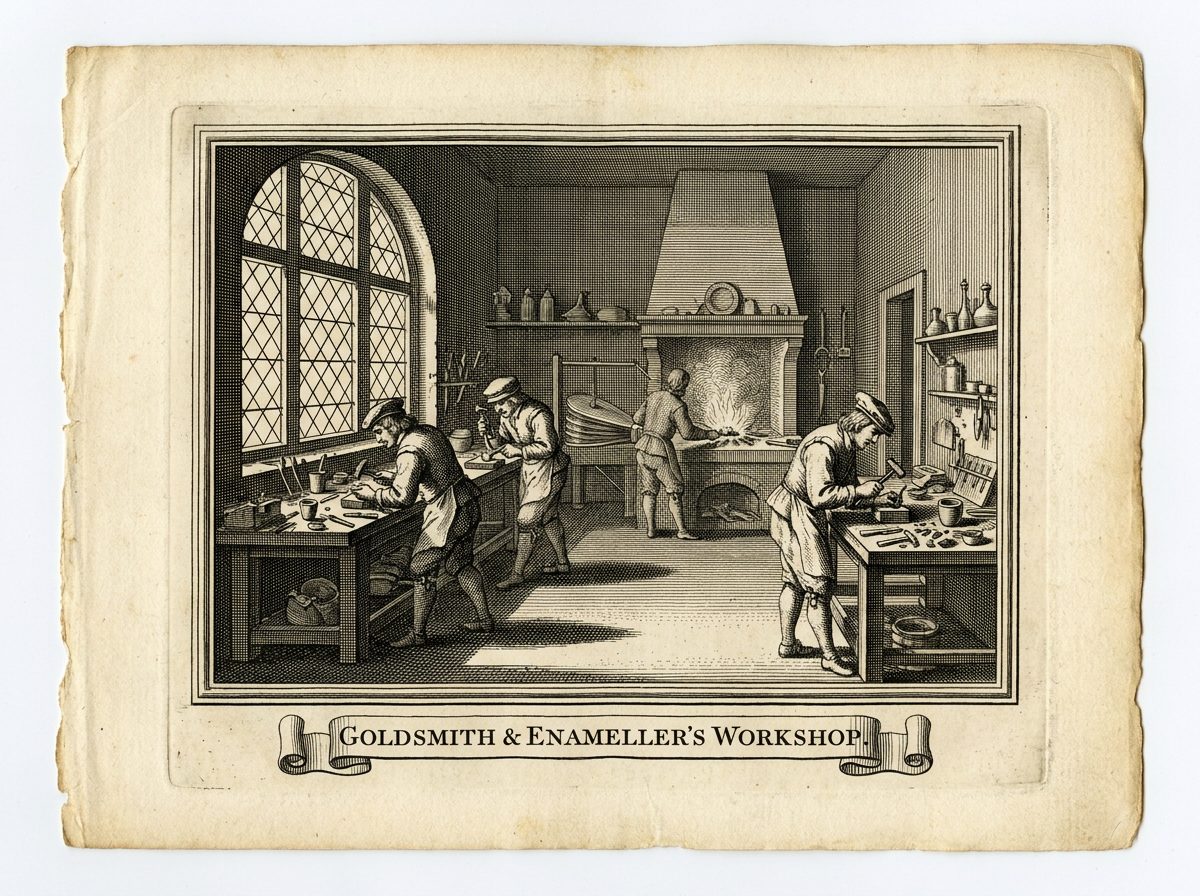
§01 · Reform & MigrationLeft: John Calvin, whose Geneva reform redirected skilled artisans from ornament toward precision instruments. Right: a Huguenot goldsmith and enameller’s workshop — the diaspora that carried enamelling and gilding skill into the Jura.Watch Schools
02
The Dutch & Swiss Partnership
Amsterdam's merchant capital meets Jura craft. The original off-shore manufacturing arbitrage and the pacotille trade that built Swiss working capital.
Dutch merchants, with their extensive trading networks spanning Europe and the Americas, recognised the potential of Swiss movements. They provided cases and handled distribution, enabling Swiss artisans to access broader markets. This collaboration supported the export of pacotille — large volumes of serviceable timepieces produced at scale.
Swiss ébauches were housed in cases styled to meet foreign preferences, allowing Swiss makers to refine production methods while building capital and expertise through high-volume output. The pattern was the 18th-century equivalent of the modern Pearl River Delta freight forwarder. Capital arbitrage, regulatory arbitrage, and craft arbitrage assembled in a single supply chain.
Definition · Établissage
The Cottage-Industry Assembly Line
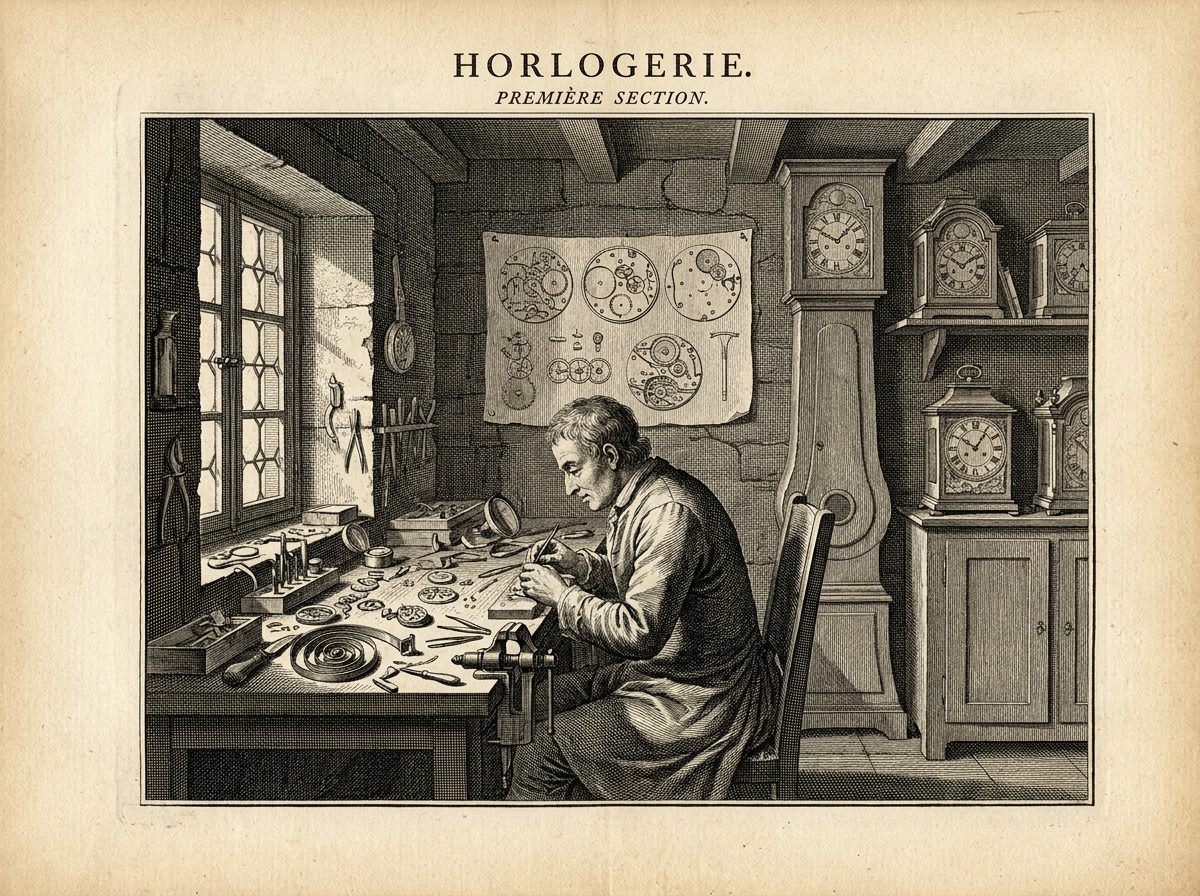
The établissage system distributed watchmaking across Jura farmhouses. Pivots, springs, dials and cases manufactured in cottage piecework, then assembled at scale in central workshops. It was the first industrialised horological supply chain — production decoupled from assembly, components costed individually, labour pools specialised by part. The architecture of every modern Swiss manufacture traces directly to this 18th-century innovation.
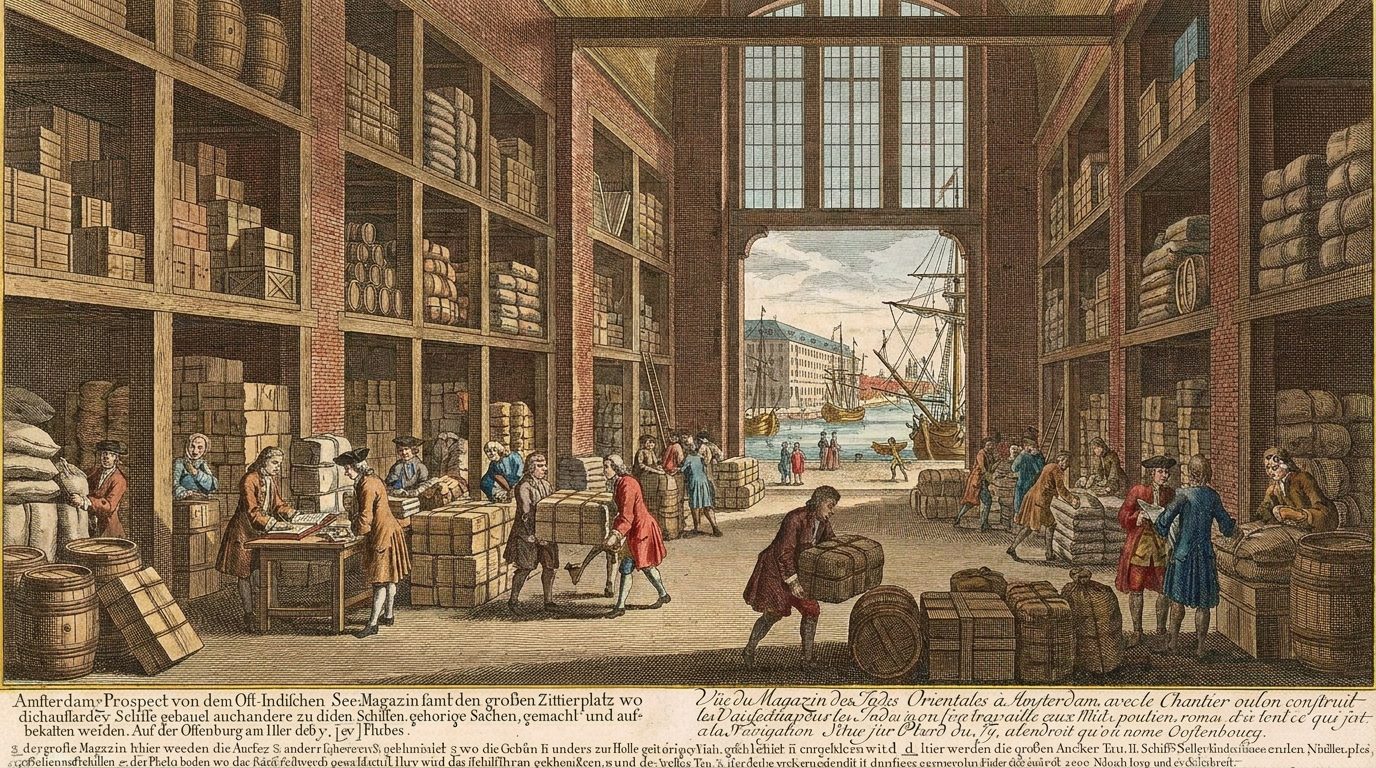
§02 · The PartnershipLeft: the Jura établissage system — watchmaking distributed across farmhouse piecework. Right: the Amsterdam mercantile warehouse, the capital-and-logistics node that moved Swiss movements into foreign markets.Watch Schools
03
Imitation Tactics · English-Sounding Names
A prestige-conscious market required a prestige-coded signature. How Swiss workshops manufactured the appearance of British origin.
To overcome barriers in prestige-conscious markets, Swiss workshops systematically invented English-sounding names for their watches. These fictitious signatures created the impression of British origin, aligning with buyer preferences for established horological reputations. Names were crafted to evoke authenticity and quality associated with English makers, facilitating smoother market entry and higher acceptance rates in export channels.
The strategy was not opportunistic. It was systematic. Whole categories of Swiss-manufactured movements were exported under signatures that read as British surnames, often with London as the place-mark, even though no part of the watch had crossed the Channel except in transit to the buyer. The forensic legibility of the watch itself — its enamel dial signature — was the principal marketing instrument.
I
Plate I · Pair-Cased Verge, c. 1750–1770
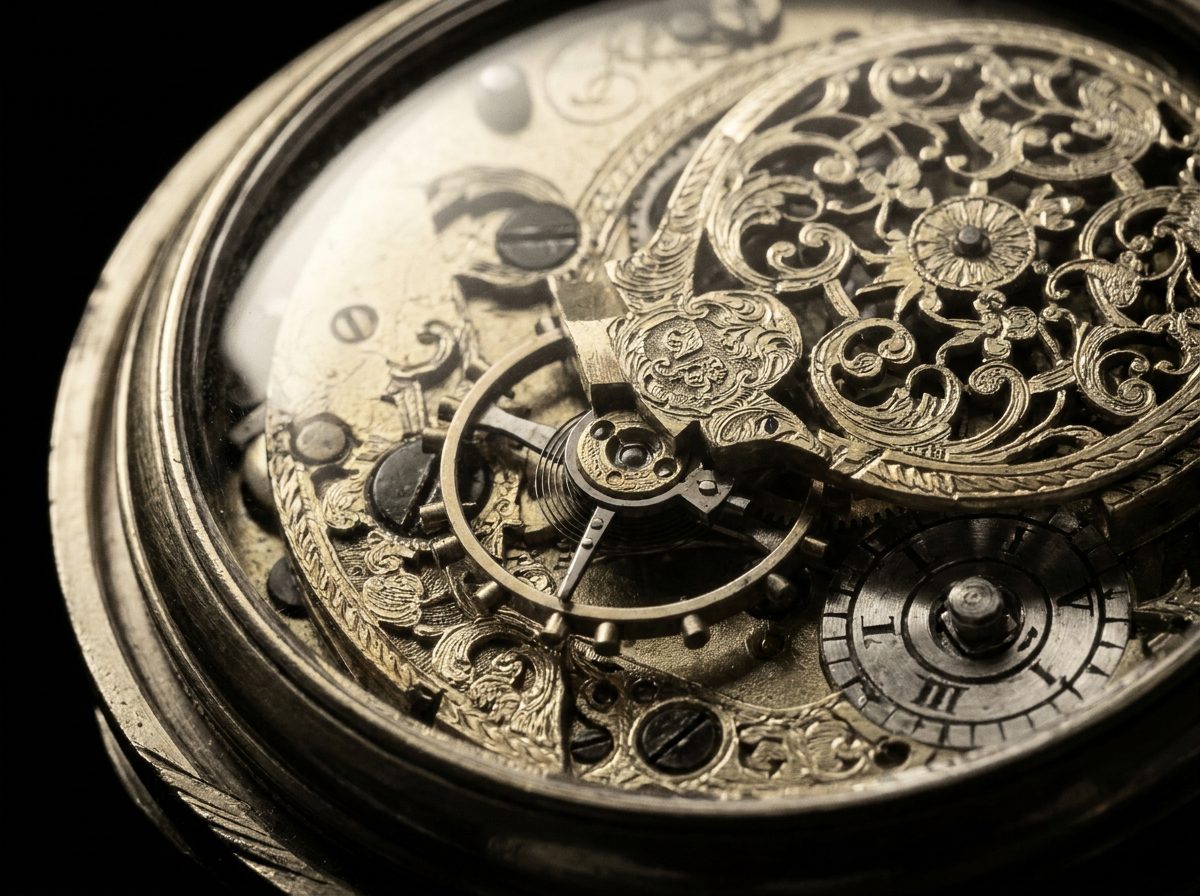
English-style 18th-century pair-cased verge pocket watch with white enamel dial and ornately engraved gilt-brass movement. The pierced and engraved balance cock — visible at right — is the kind of decoration that, when paired with a fictitious English signature, formed the optical signature of a Swiss-built watch presented as London-made. Movements like this circulated through Amsterdam and entered Britain unhallmarked.
Reference example Watch Schools archive
04
The Case of Harry Potter
Fictitious signatures, real consequences. The collapse of London handcraft horology under the volume of imitative imports.
A notable example involved fictitious signatures mimicking legitimate British firms, such as the name Harry Potter. Swiss producers flooded markets with pieces bearing this and similar fabricated names. This imitation directly undermined British companies and contributed to their decline. British manufacturers faced sharply declining sales as consumers opted for lower-priced Swiss alternatives presented under English-sounding branding.
The economic effects were severe. Reduced revenues, factory closures, job losses, and a contraction in the domestic British watch industry. Local producers, reliant on traditional handcrafted methods, struggled to compete on price and volume. Where the Swiss had industrialised the supply chain, the British had remained workshop-bound; the disparity of scale was a strategic vulnerability that the imitative trade exploited without mercy.
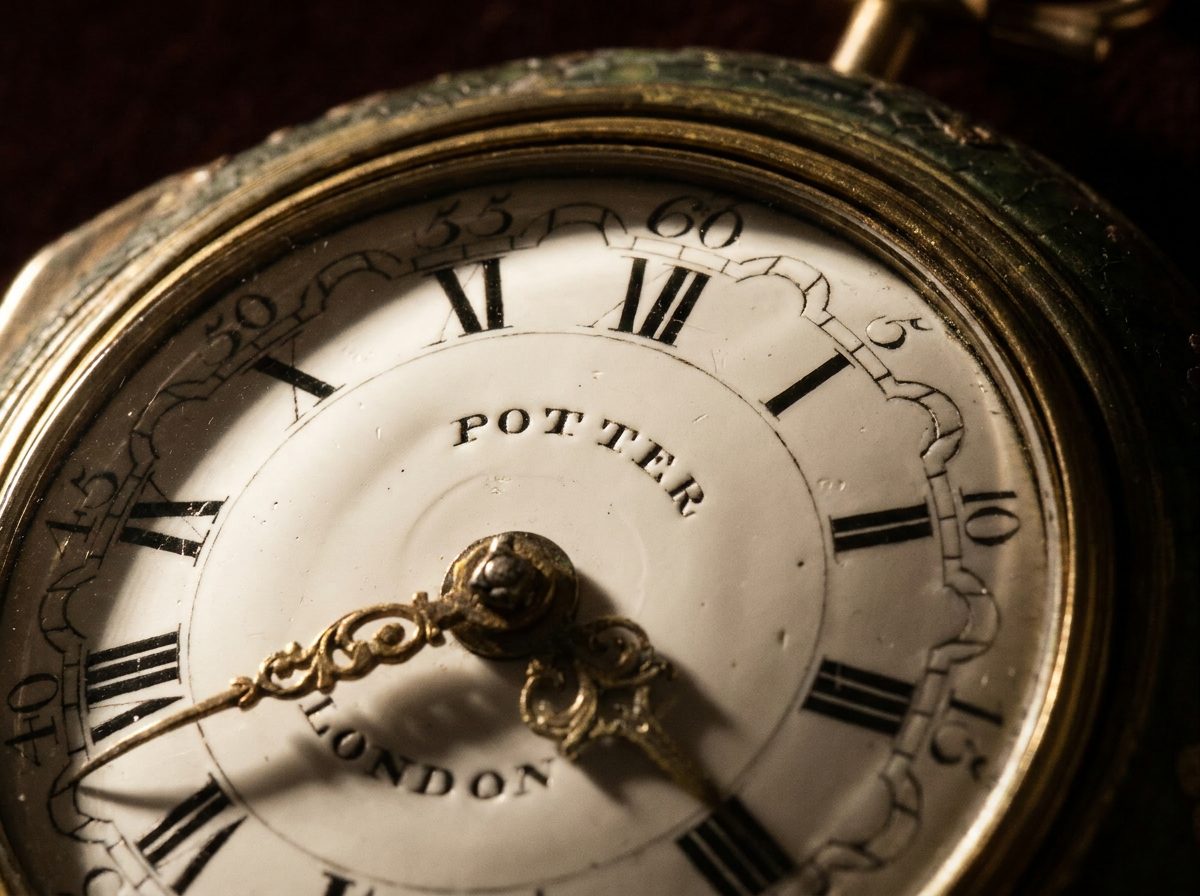
§04 · The Case of Harry PotterAn 18th-century English enamel dial signed “POTTER / LONDON” in period serif script — the maker’s signature reading at the six-o’clock position beneath a bull’s-eye crystal.Watch Schools
05
Flooding London & International Distribution
Forty thousand unhallmarked Swiss cases per year. Half the legitimate output of the London Assay Office. The volumes that broke a national industry.
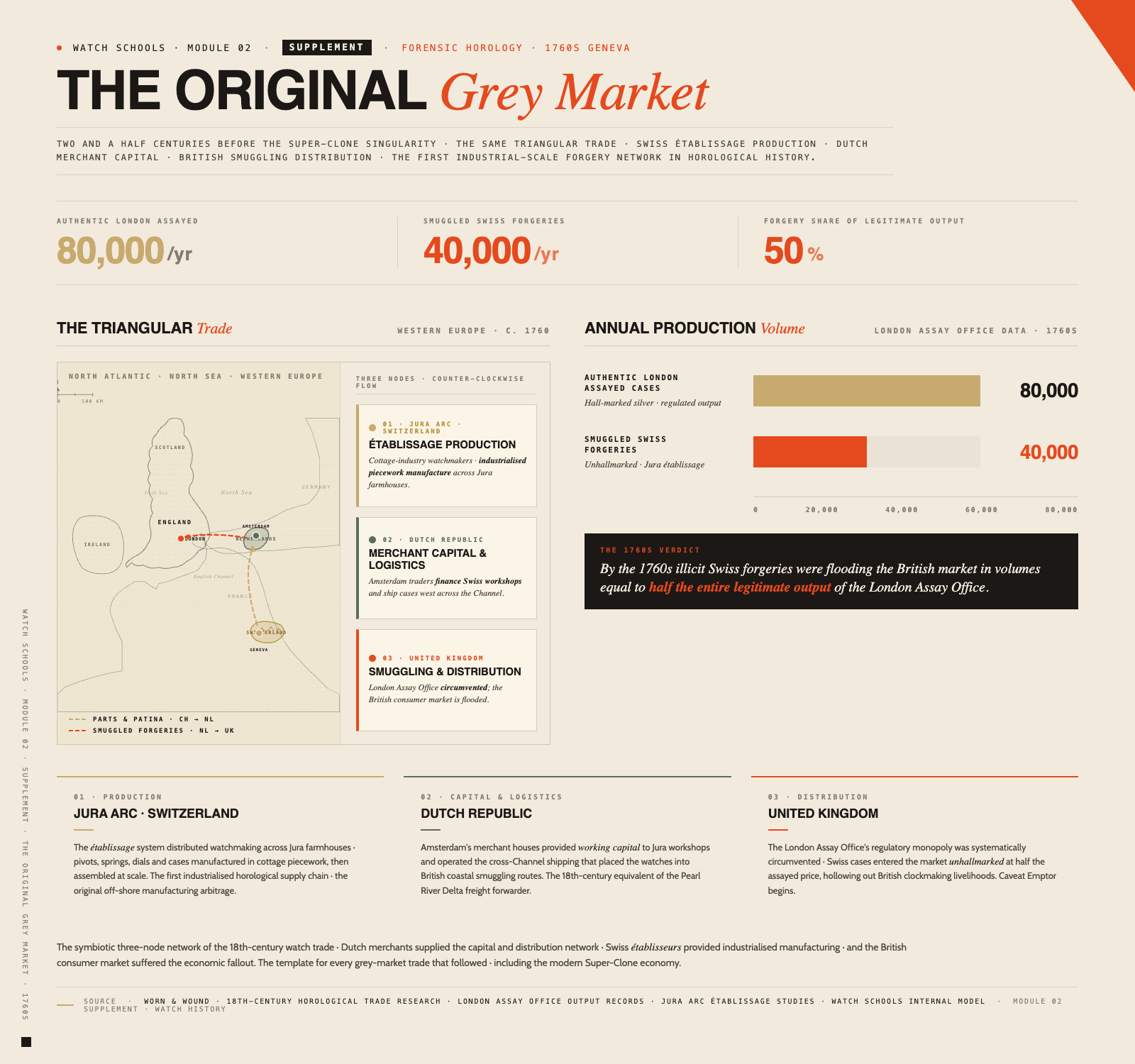
The scale of these activities was substantial. In the 1760s the London Assay Office hallmarked around 80,000 watch cases annually. Yet Swiss forgeries were flooding into the UK market at approximately 40,000 pieces per year — effectively half the volume of hallmarked British production. These watches were not confined to Britain. They were distributed internationally across Europe and the American colonies through Dutch trading networks.
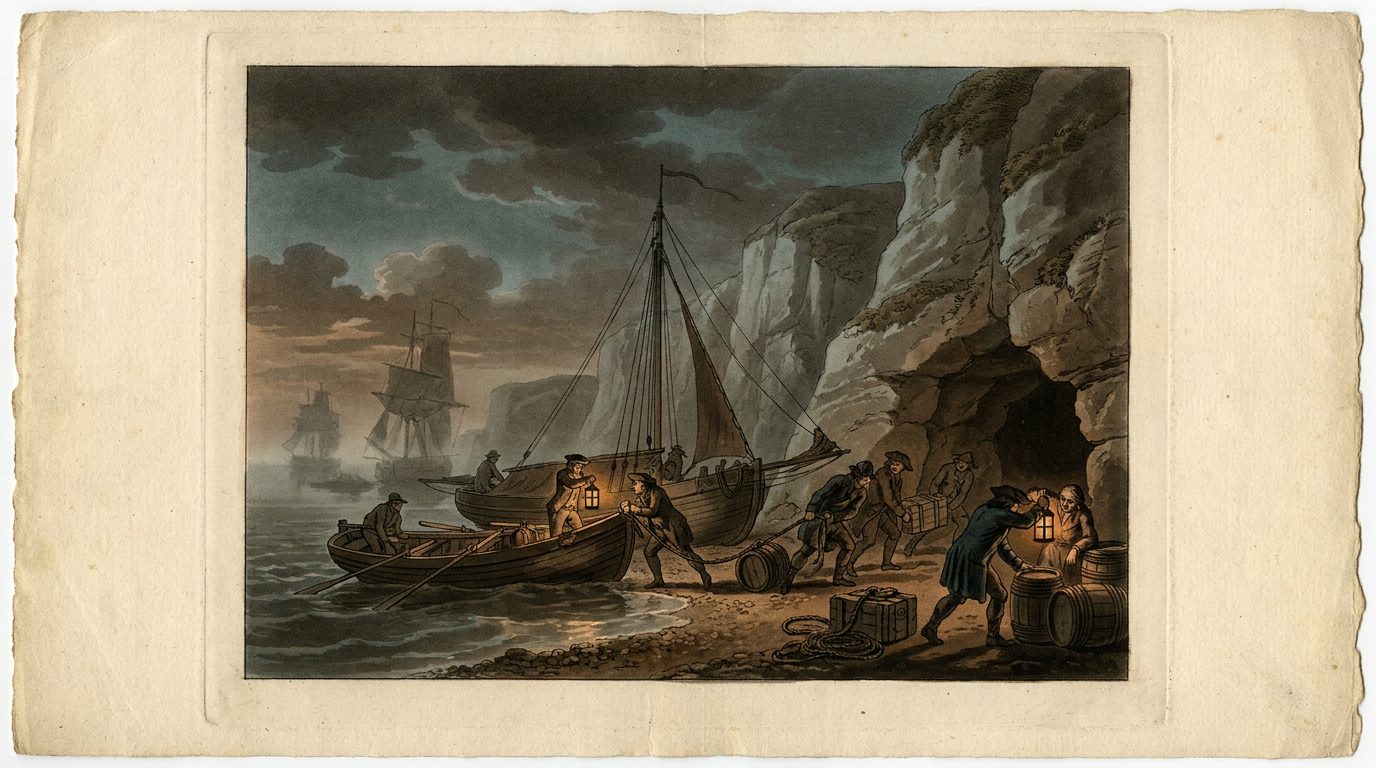
§05 · The Distribution LegContraband landing on the English Channel shore at dusk — the smuggling route that carried unhallmarked Swiss cases into Britain, the final leg of the triangular trade mapped below.Watch Schools
II
Figure II · The Original Grey Market, 1760s
Triangular trade between Jura Arc établissage production, Dutch merchant capital, and British smuggling distribution. Two and a half centuries before the Super-Clone Singularity, the same three-node architecture defined the trade.
Watch Schools Module 02 · Fig 2.S
The combination of reliable Swiss movements and borrowed prestige enabled rapid penetration, high turnover, and significant displacement of genuine British exports in both domestic and foreign markets. This influx contributed materially to the collapse of the British watchmaking industry. At the beginning of the 19th century Britain produced around 200,000 watches annually — roughly half the world's output. By the end of the century British production had halved despite explosive global demand that reached into the millions.
Swiss imitations captured increasing market share, inflicting lasting damage on British revenues, employment, and international competitiveness. The macroeconomic consequences included widespread distress among operatives, reduced export earnings, and a structural shift that left Britain increasingly dependent on foreign supply in a sector it had once dominated.
“
At the beginning of the 19th century Britain produced roughly half the world's watches. By the end of it · British production had halved as global demand exploded into the millions.
Module 02 Supplement · Statistical record
06
The Business Mechanism
A clean division of labour. Low-cost Swiss movements, Dutch case-and-signature work, English-coded export logistics — the operational architecture of the trade.
The operational mechanism was efficient and systematic. Swiss workshops produced quality movements at low cost using emerging volume techniques. Dutch intermediaries or other partners supplied cases, applied fictitious English signatures, and managed export logistics. This division of labour minimised risk for Swiss producers while maximising output and profitability.
Watches were marketed as British-origin pieces, commanding better prices than open Swiss attribution would allow. The strategy exploited information asymmetry in distant markets, where buyers had limited verification capabilities. Revenue from these high-volume exports funded reinvestment in tools, training, specialised labour pools, and production capacity — directly building the industrial base that would later support genuine Swiss innovation.
The Operational Triangle
Movement → Case → Signature
Each leg of the trade absorbed a different category of risk. Swiss workshops bore production risk but no marketing risk; their products left Switzerland anonymous. Dutch intermediaries bore inventory and shipping risk; they took title in Amsterdam and onsold into London under English signatures. British distributors bore the legal risk of selling unhallmarked work; some were prosecuted, most were not. The three-way structure was a forensic firewall avant la lettre — no single participant could be tied to the full chain.
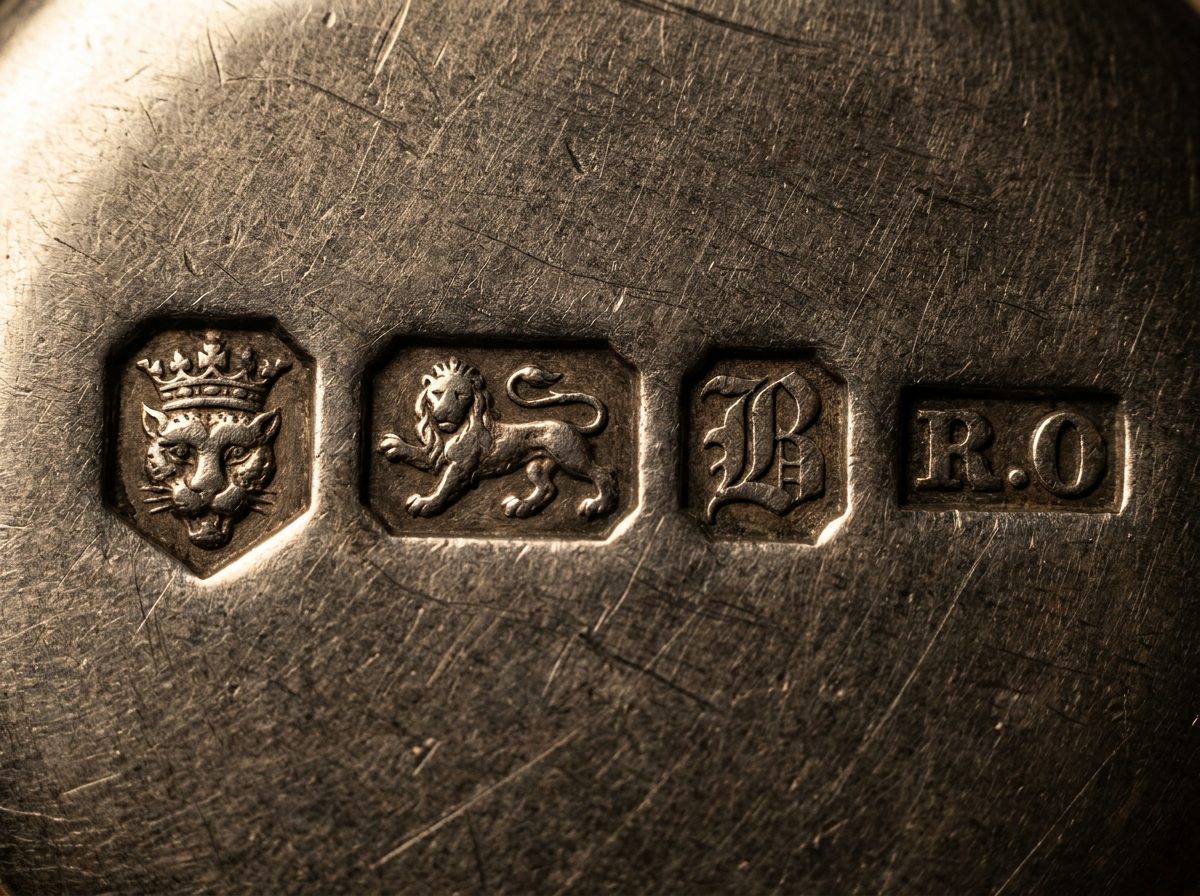
§06 · The Regulatory PerimeterThe London Assay Office hallmark sequence — crowned leopard’s head, lion passant, date letter and sponsor’s mark — struck into a silver case. The regulated boundary the grey-market trade was built to circumvent.Watch Schools
07
Confrontation with the Worshipful Company
London's historic guild fights back. Marking laws, import controls, and the slow recalibration that forced Swiss makers to compete under their own name.
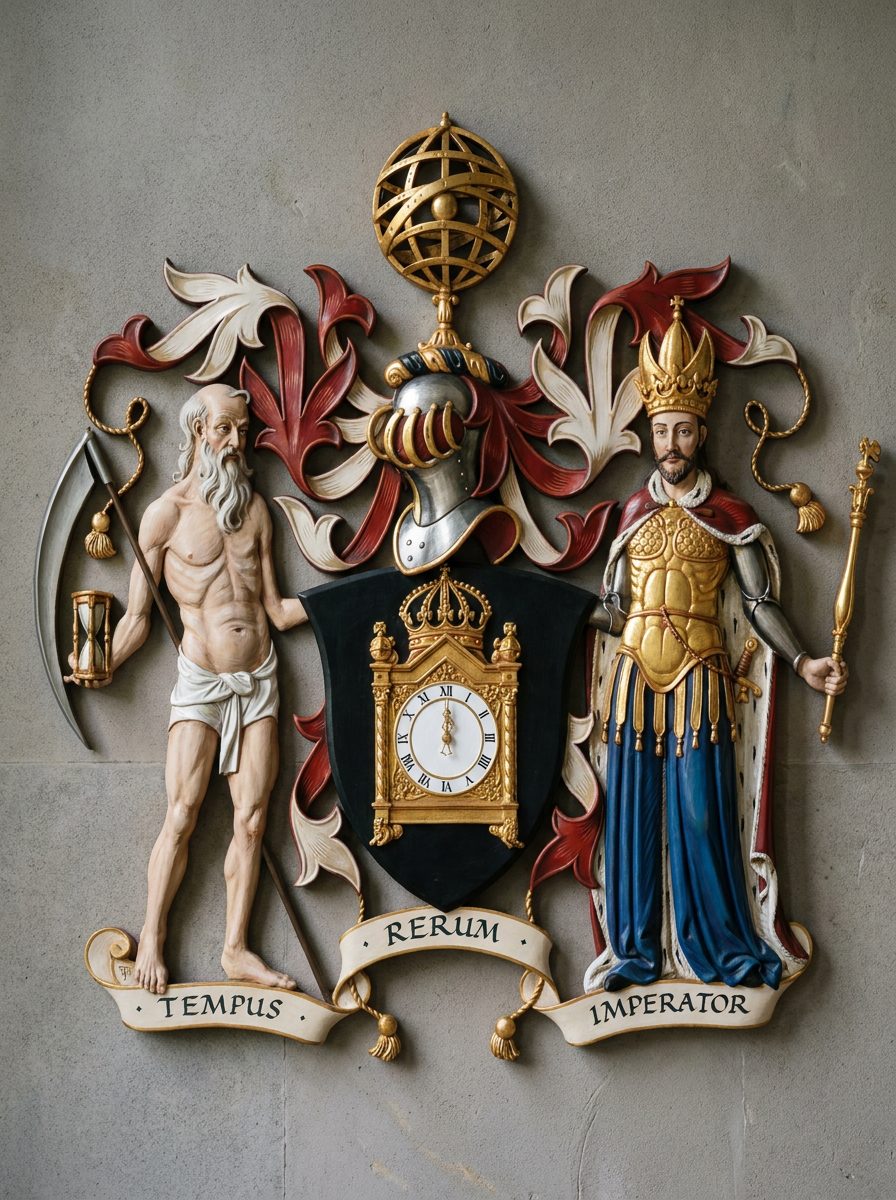
These practices inevitably provoked resistance. In England the Worshipful Company of Clockmakers, the historic guild overseeing the trade, reacted strongly against the influx. The guild lobbied for protections, highlighting how Swiss imitations undercut local standards and deprived members of business. Regulatory scrutiny increased, with calls for stricter marking requirements and import controls. Similar tensions emerged in other markets, culminating in mid-19th century complaints from importers about market saturation with misattributed pieces.
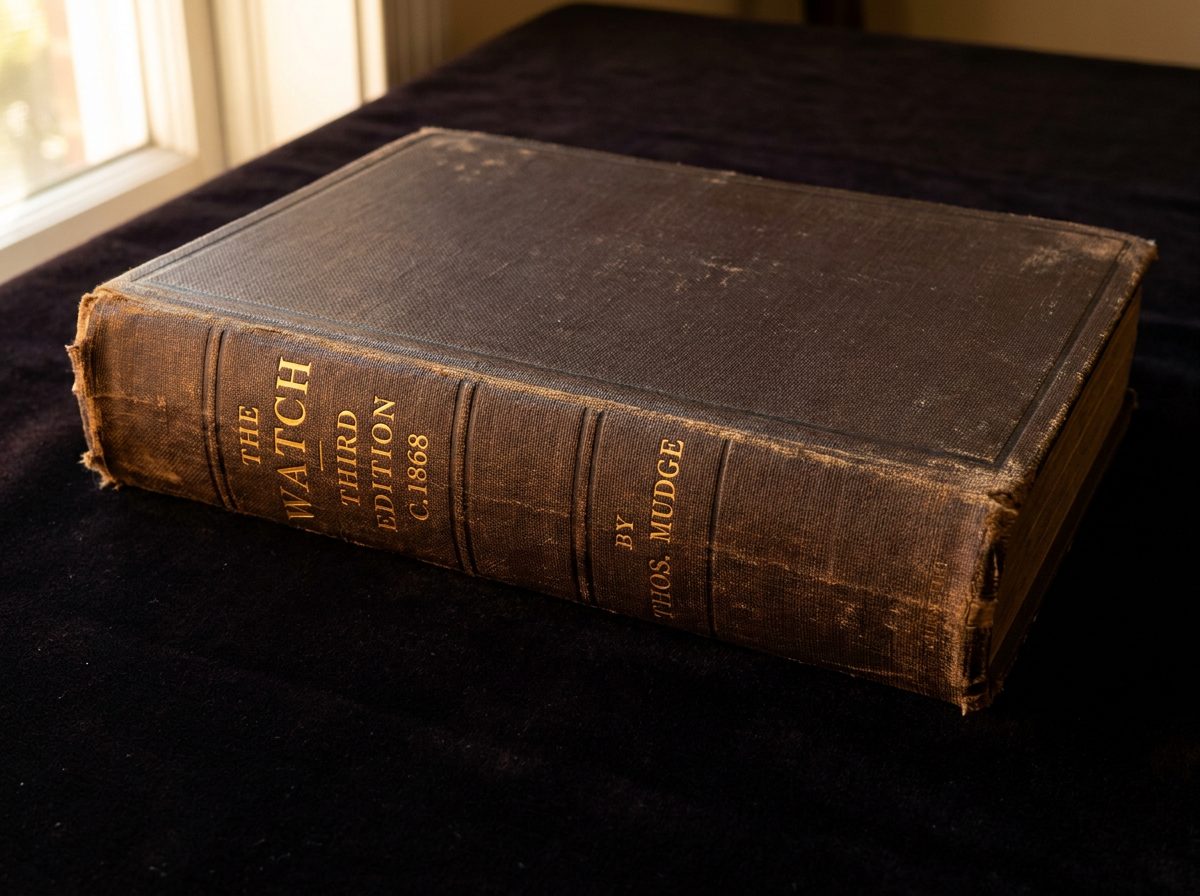
Henry F. Piaget, in 1871, publicly condemned the imposters and cheats whose fictitious names damaged the reputation of honest Swiss workmanship. This criticism, combined with guild pressure and new marking laws, forced a strategic shift. Swiss makers gradually moved toward transparent attribution, leveraging accumulated expertise to compete on technical merit.
“
The imposters and cheats whose fictitious names damaged the reputation of honest Swiss workmanship · the public condemnation that forced the industry's pivot from borrowed prestige to its own.
Henry F. Piaget · 1871
§07 · Resistance & ReckoningLeft: the heraldic authority of the London guild that lobbied against the imitative trade. Right: H.F. Piaget’s “The Watch” (1868), whose 1871 condemnation of the “imposters and cheats” forced the industry’s pivot to honest attribution.Watch Schools
08
The Modern Swiss Architecture
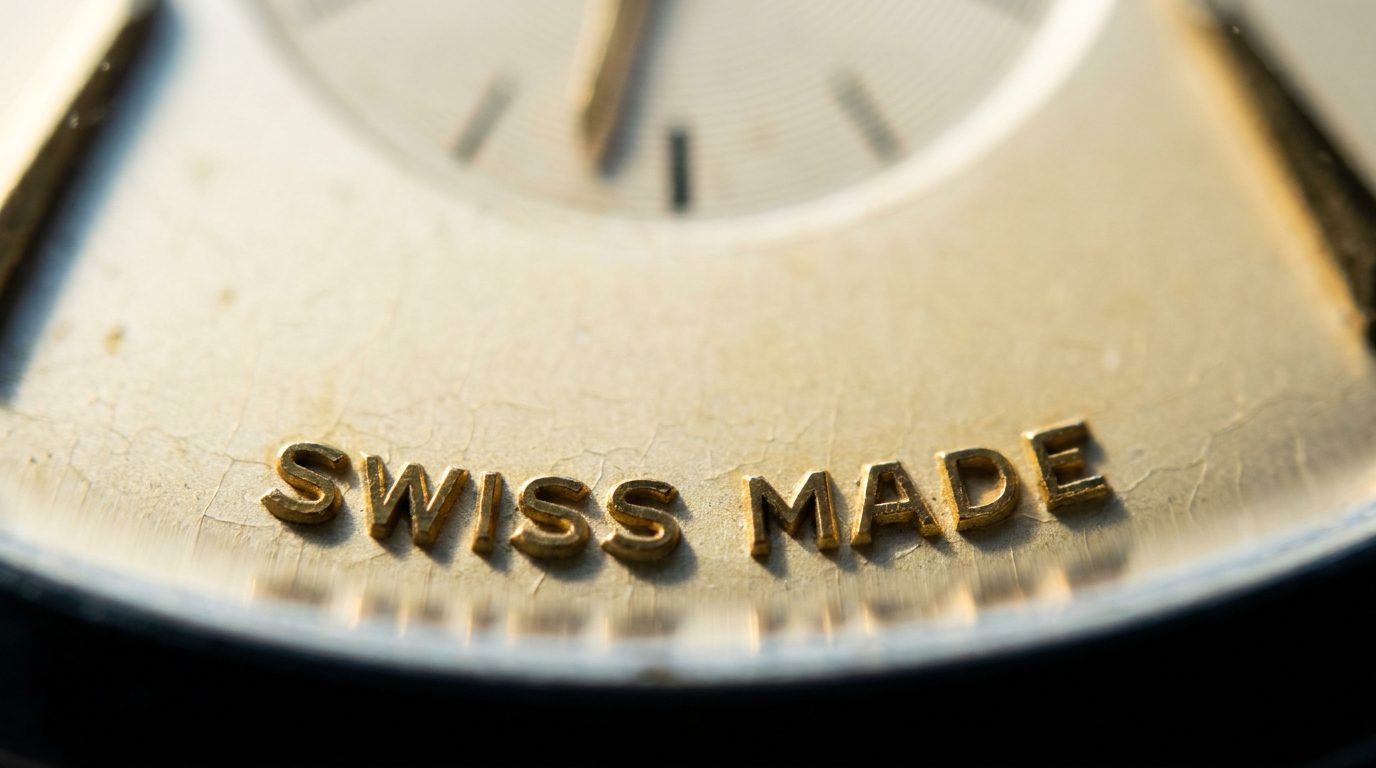
What strategic imitation built. Clustered production, vertical specialisation, regulatory hallmarks, and the branding architecture that survives in Swiss Made to this day.
The long-term contribution of these early practices to today's Swiss watchmaking system remains foundational. The volume-driven model developed through imitation built manufacturing scale, specialised labour pools, and supply-chain efficiencies in the Jura region. Capital accumulated from export success funded innovation in precision timing, complications, and materials. The Dutch–Swiss partnership model prefigured modern collaborative ecosystems between component makers, assemblers, and global distributors.
Regulatory battles accelerated the development of quality hallmarks and origin protections — precursors to today's strict Swiss Made standards. The pivot from fictitious branding to proud Swiss identity established the branding architecture that supports premium positioning. Technical capabilities refined during high-volume imitation phases enabled later leadership in chronographs, automatic movements, and durability standards.
This historical layer continues to underpin the industry's resilience and global dominance. The architecture of clustered production, vertical specialisation, and reputation management traces directly to these adaptive beginnings. What started as strategic imitation created the industrial base, expertise networks, and institutional frameworks that sustain Swiss horology's preeminence in the twenty-first century.
The forensic instinct the modern Tier-1 allocator brings to any vintage Swiss reference — the demand for archival cross-reference, metallurgical match, unbroken chain of custody — is, in this longer view, an echo of the very confrontation that built the industry. The 18th century made the institutions; the 21st century is now stress-testing them.
§08 · The Industrial GeographyLa Chaux-de-Fonds from height — the orthogonal grid of a city planned around a single industry. What strategic imitation built, set permanently into the Jura landscape.Watch Schools
III
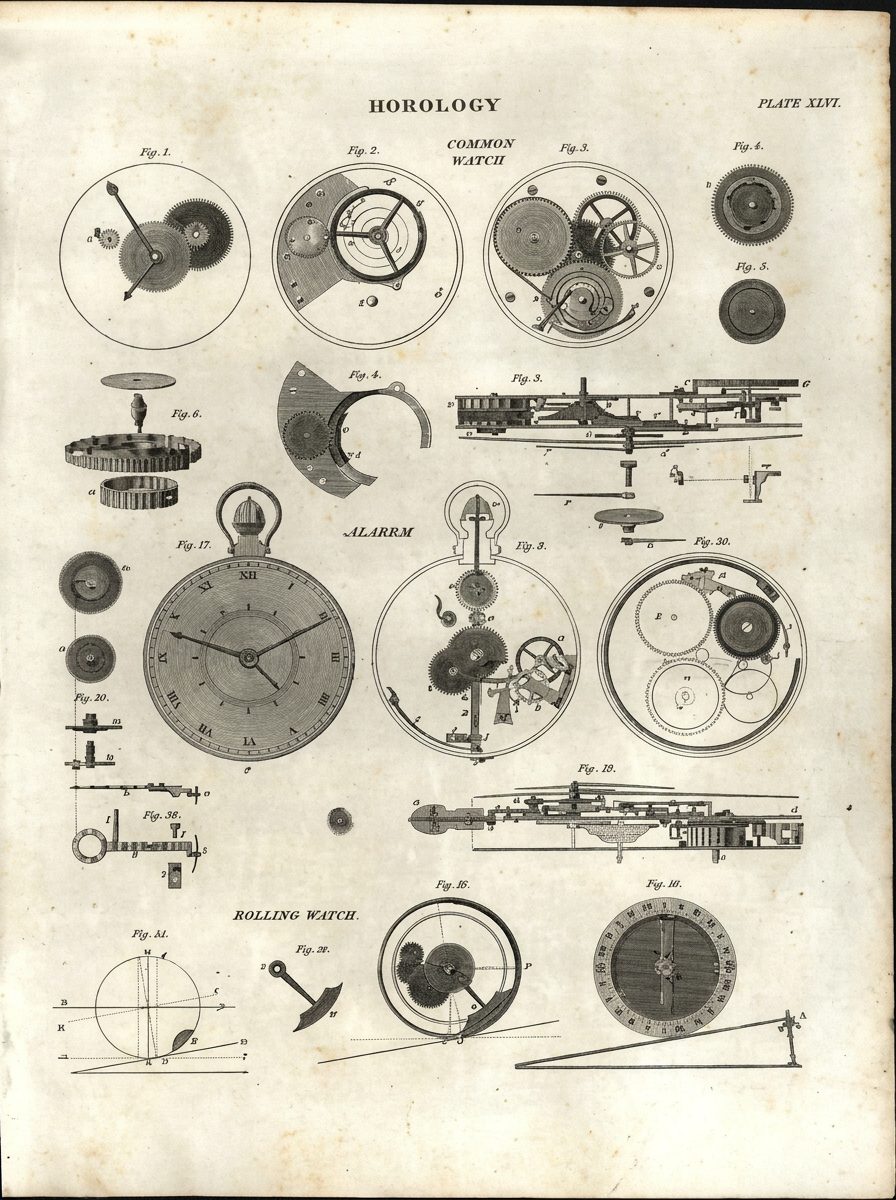
Plate III · Horology, Plate XIV
Nineteenth-century technical engraving illustrating the common watch movement, gear trains, escapement, and ancillary mechanisms. The kind of reference plate that codified Swiss volume-production knowledge into transferable craft.
Reference engraving c. 1830
§08 · The Branding ArchitectureTwo words at six o’clock — the designation that emerged from the imitation pivot. A century and a half of industrial strategy compressed into “Swiss Made”.Watch Schools